Why Commercial Small Animal Control Requires Professional Expertise
People seeking commercial small animal control often need expert help to safely and effectively remove pests, which local service providers are trained to handle professionally.
Understanding why commercial small animal control requires professional expertise is essential for property owners facing issues with rodents, raccoons, or other wildlife. These animals can cause significant damage, disrupt operations, and pose health risks if not handled properly. Property owners in the area often seek out experienced local contractors who understand the nuances of humane and effective wildlife management, ensuring that the problem is addressed thoroughly and safely. Keep reading to discover how skilled professionals can provide comprehensive solutions tailored to commercial properties, helping to protect assets and maintain a safe environment.
Choosing to work with local service providers who specialize in commercial small animal control offers practical benefits that go beyond basic removal. These experts bring valuable knowledge of local wildlife behaviors, legal considerations, and effective control methods, which are critical for managing persistent or complex infestations. By relying on experienced professionals, property owners can ensure that the job is done correctly the first time, reducing the risk of recurring issues and potential property damage. Continue exploring to learn more about the importance of professional expertise in maintaining a pest-free commercial space.
- Commercial Small Animal Control - businesses facing persistent rodent or pest issues need local contractors who understand the complexity of effective removal and prevention strategies.
- Commercial Small Animal Control - property managers requiring ongoing pest management rely on local pros to identify entry points and implement targeted solutions safely.
- Commercial Small Animal Control - facilities experiencing infestations that threaten sanitation or safety depend on local contractors with experience handling sensitive environments.
- Commercial Small Animal Control - organizations with recurring pest problems seek experts capable of developing integrated plans to address root causes and prevent future issues.
- Commercial Small Animal Control - businesses needing to comply with health regulations turn to local pros who know how to manage pests in a manner that meets industry standards.
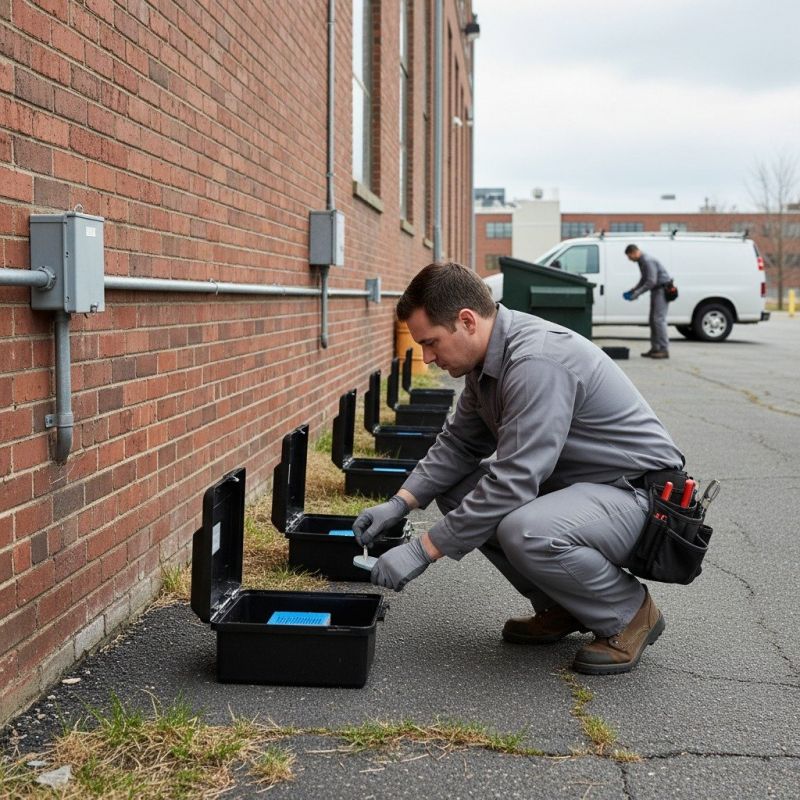
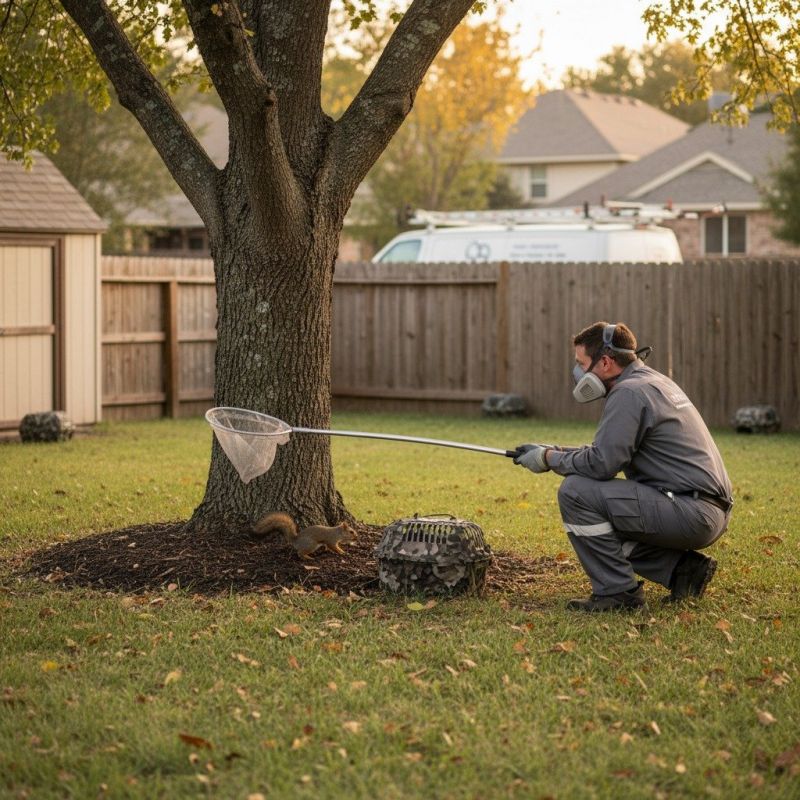
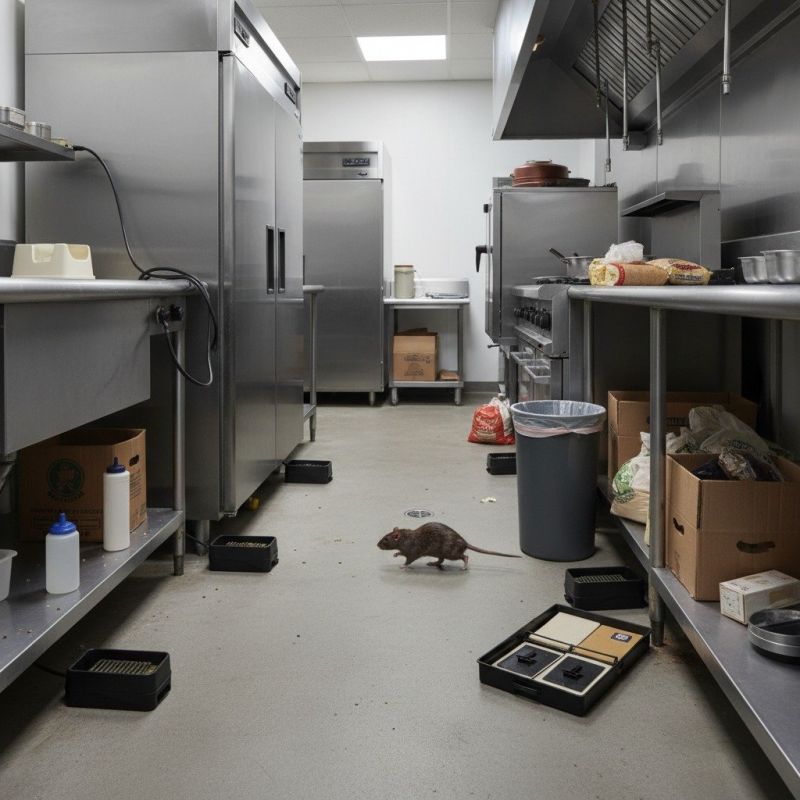
When people search for why commercial small animal control requires professional expertise, they often want to understand the complexities involved in managing pests like rodents, raccoons, or other small animals that invade business properties. These searches typically stem from concerns about property damage, health risks, or disruptions caused by these animals. Business owners and property managers recognize that handling small animal issues isn’t just about removal; it involves understanding animal behavior, potential structural vulnerabilities, and legal considerations. This knowledge helps them see why relying solely on DIY methods or untrained personnel can lead to ineffective results or unintended consequences, emphasizing the importance of engaging experienced service providers.
The problems related to commercial small animal control often include infestations that threaten the safety and integrity of a property. These can involve animals nesting in crawl spaces, attic areas, or wall voids, which can cause damage to electrical wiring, insulation, and building materials. Planning for small animal control also involves developing strategies to prevent future invasions, such as sealing entry points or implementing ongoing monitoring. Local pros who specialize in commercial small animal control understand how to evaluate the specific conditions of a property, identify vulnerabilities, and develop tailored solutions. Their expertise ensures that the job is done thoroughly, reducing the risk of recurring problems and minimizing the potential for property damage or health hazards.
Properties that frequently face small animal issues include warehouses, retail stores, office buildings, and industrial facilities. These structures often have access points or structural features that small animals can exploit to gain entry. Large commercial properties may also have storage areas or landscaping features that attract animals seeking shelter and food sources. Because these properties tend to be more complex than residential homes, they require a strategic approach to control. Local service providers experienced in commercial small animal control are familiar with the unique challenges these properties present and can implement effective measures to eliminate existing problems and prevent future invasions.
Understanding why commercial small animal control requires professional expertise helps property owners see how these specialists fit into their overall property management plans. These service providers bring the knowledge and skills necessary to handle the intricacies of small animal behavior, property vulnerabilities, and legal considerations. They can perform thorough inspections, recommend appropriate exclusion methods, and carry out targeted removal efforts that are safe and effective. For businesses managing larger or more complex properties, partnering with experienced contractors ensures that small animal issues are addressed comprehensively. This approach helps maintain a safe, secure environment and protects the property's value, making professional small animal control a vital component of effective property management.
Wildlife exclusion projects - these involve sealing entry points and installing barriers, skills essential for effective small animal control in commercial settings.
Pest proofing services - comprehensive prevention measures require planning and precise installation, similar to the strategies used in small animal control efforts.
Building inspections for pest entry - identifying structural vulnerabilities helps prevent small animals from gaining access, a key component in control plans.
Habitat modification projects - altering surroundings to make environments less attractive to small animals involves planning and execution skills relevant to control services.
Trap installation and monitoring - setting and maintaining traps requires knowledge of animal behavior and site management, paralleling small animal control techniques.
Structural repairs and sealing - fixing and sealing entry points demands detailed work that is critical in preventing small animal infestations in commercial properties.
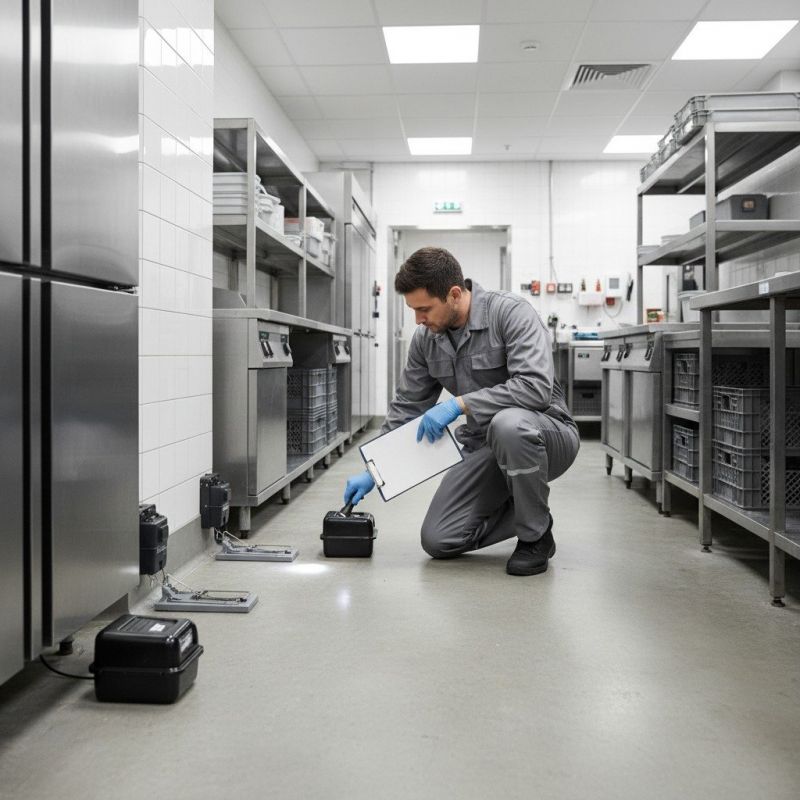
When evaluating service providers for commercial small animal control, it is essential to consider their experience with projects similar in scope and complexity. Local contractors with a proven track record in handling commercial settings are more likely to understand the unique challenges involved, such as building structures, property size, and the specific types of animals encountered. Asking for examples of past work or references related to commercial projects can provide insight into their familiarity with the demands of larger-scale animal control efforts, ensuring that they possess the practical knowledge necessary to handle the job effectively.
Clear, written expectations are a vital component when comparing local service providers for commercial small animal control. A detailed scope of work, including the methods used, the extent of property coverage, and any follow-up procedures, helps establish a mutual understanding of what the project entails. This transparency reduces the risk of misunderstandings and ensures that both parties are aligned on the scope and responsibilities. When reviewing proposals or estimates, it is beneficial to look for providers who can articulate their approach in writing, demonstrating professionalism and clarity in their communication.
Effective communication is critical when working with local contractors on commercial small animal control projects. Service providers who prioritize open dialogue and timely updates can better address any concerns or unforeseen issues that may arise during the job. Reputable local pros often have established processes for keeping clients informed, which fosters trust and confidence throughout the project. Additionally, their ability to clearly explain procedures, answer questions, and provide ongoing support can significantly impact the success of the animal control effort, making good communication an important factor in choosing the right partner for the job.
Property owners often search for why commercial small animal control requires professional expertise when they are planning practical projects around their homes and businesses. Local pros provide Commercial Small Animal Control services for everyday jobs and straightforward project options.
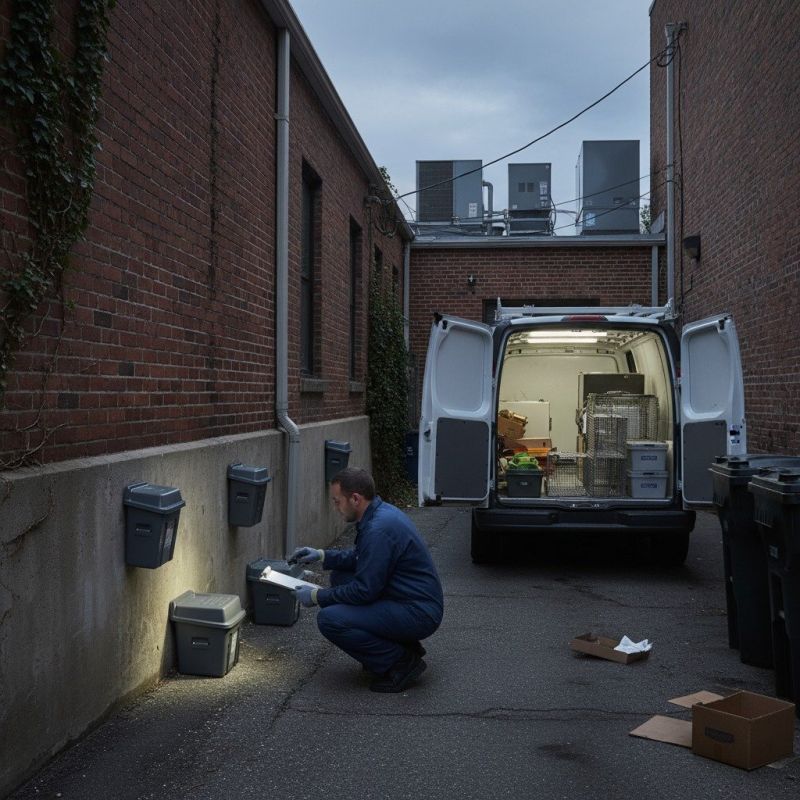
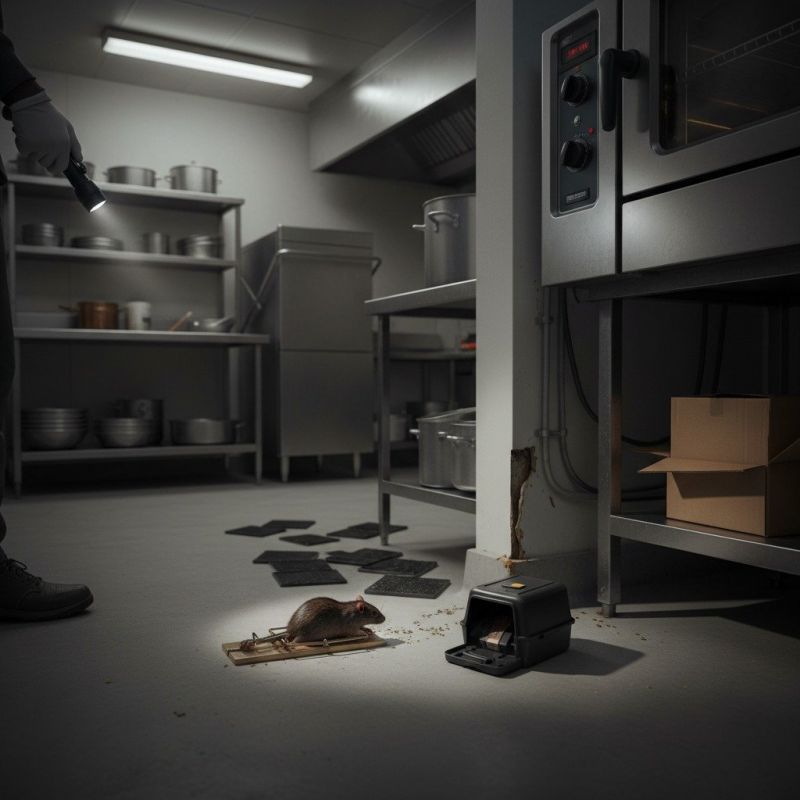
In many commercial properties, small animals such as rodents, birds, or other pests can cause significant issues if not properly managed. Property owners might notice signs of animal activity, like droppings, chewed wiring, or unusual noises, which can lead to damage or health concerns. Addressing these problems often requires more than simple traps or deterrents; it involves understanding animal behavior, property structures, and effective removal techniques. Local contractors experienced in commercial small animal control are equipped to handle these situations efficiently, ensuring the problem is addressed safely and thoroughly.
Choosing professional services is especially important because commercial environments often present unique challenges that DIY approaches can’t resolve effectively. For example, larger infestations or animals nesting in hard-to-reach areas may require specialized equipment and methods. Additionally, property owners need to ensure that control measures comply with local regulations and do not inadvertently cause further issues. Service providers who specialize in commercial small animal control have the expertise to assess each situation carefully and implement appropriate solutions, helping property owners maintain a safe and animal-free environment.
Why does commercial small animal control require professional expertise? Professionals have the experience and knowledge to identify the specific types of animals causing issues and determine the most effective removal methods, reducing the risk of incomplete or unsafe solutions.
What risks are involved with DIY small animal control in commercial settings? Attempting to handle small animal control without expertise can lead to injuries, ineffective removal, and potential damage to property or surrounding structures.
How do local service providers ensure safe and effective animal removal? They utilize specialized techniques and equipment designed for commercial environments, ensuring animals are removed humanely and efficiently while minimizing risks.
Why is understanding local wildlife important for commercial small animal control? Local pros are familiar with the species common to the area, allowing them to apply targeted strategies that are more likely to succeed and prevent future infestations.
What makes professional small animal control services essential for commercial properties? They are equipped to handle complex situations, adhere to regulations, and implement comprehensive solutions that protect the property and maintain a safe environment.
Assessing property damage - professionals can identify signs of animal activity that might go unnoticed, helping property owners plan effective removal and prevention strategies.
Implementing effective exclusion methods - local contractors apply specialized techniques to seal entry points, reducing the risk of future animal incursions.
Handling humane removal safely - experts use proper equipment and techniques to remove animals without causing harm, ensuring compliance with local regulations.
Preventing future infestations - experienced service providers recommend and install barriers or deterrents tailored to the property's specific needs.
If you are thinking about why commercial small animal control requires professional expertise for a property, this guide is meant to help you understand this topic, the typical project types, and how different options might fit your plans.
When you are ready, you can use the quote form on this page to share a few details about your project. From there, local pros can review the basics and follow up with options that match what you have in mind.