Seasonal Wildlife Issues Homeowners Should Watch For
Homeowners seeking seasonal wildlife removal can rely on local service providers to safely and effectively handle common issues like raccoons, squirrels, or birds during peak times.
Homeowners in the area often find that staying aware of seasonal wildlife issues can make a significant difference in maintaining a safe and comfortable property. As seasons change, different animals may seek shelter or food sources around homes, potentially leading to unwanted intrusions or damage. Recognizing these patterns early can help prevent larger problems down the line, such as property damage or health concerns. Local service providers who specialize in seasonal wildlife removal are equipped to address these issues effectively, ensuring that any wildlife-related concerns are handled promptly and humanely.
Exploring the common wildlife challenges specific to each season can empower property owners to take practical steps in protecting their homes. Whether it’s preventing raccoons from nesting in the attic during spring or keeping rodents at bay during colder months, understanding these seasonal issues is key. Many local contractors offer services tailored to these needs, helping residents manage wildlife encounters safely and efficiently. Continuing to read can provide valuable insights into how seasonal wildlife issues may impact properties and how trusted professionals can assist in safeguarding homes year-round.
- Bird nesting season - homeowners may notice increased bird activity near vents and eaves, with local contractors removing nests and sealing entry points to prevent future issues.
- Fall migration - as birds and other wildlife seek shelter for winter, local service providers can help identify and block access points to keep unwanted animals out of attics and walls.
- Spring emergence - when wildlife begins to leave dens and burrows, local pros can assist with humane removal and habitat exclusion to reduce recurring problems.
- Winter rodent activity - rodents often seek warmth inside homes during colder months, with local contractors sealing gaps and installing deterrents to prevent infestations.
- Summer insect swarms - increased insect activity can attract certain wildlife, and local specialists can help manage entry points and remove nesting sites to protect the home.

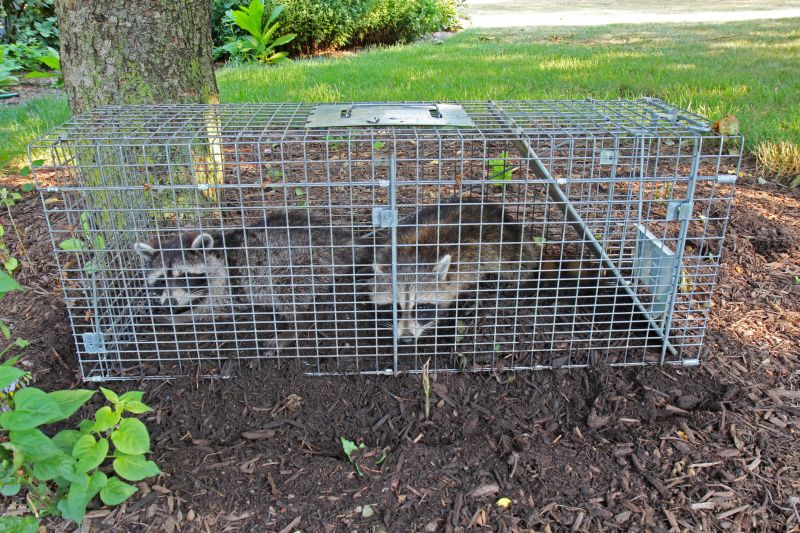
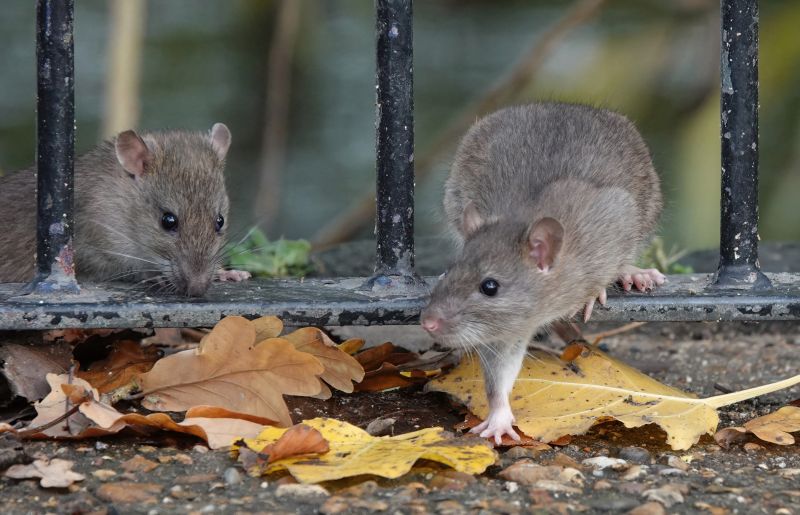
Seasonal wildlife issues homeowners should watch for often relate to the natural behaviors and migration patterns of local animals that change with the seasons. During spring and summer, animals such as birds, squirrels, and raccoons become more active around homes, seeking nesting sites or food sources. In fall and winter, certain species may attempt to find shelter inside attics, wall cavities, or under decks to escape colder temperatures. Recognizing these patterns helps homeowners identify potential problems before they escalate, such as damage to insulation, wiring, or structural elements. Local contractors specializing in seasonal wildlife removal can assess these situations, providing solutions that prevent animals from causing ongoing damage or creating health concerns.
The problems associated with seasonal wildlife issues often involve animals gaining access to parts of the property where they shouldn’t be. For example, birds may nest in soffits or vents, squirrels might chew through rooflines or attic insulation, and raccoons can tear into trash bins or crawl into chimneys. These issues are not only disruptive but can also lead to costly repairs if left unaddressed. Planning for seasonal wildlife management involves inspecting the property for entry points and implementing exclusion methods to keep animals out. Service providers experienced in wildlife removal and exclusion can help homeowners develop effective plans tailored to the specific types of animals active during different times of the year.
Properties most commonly affected by seasonal wildlife issues include homes with accessible attics, chimneys, vents, and rooflines, as well as those with overgrown trees or shrubbery close to the building. Rural properties, cabins, and older homes tend to be more vulnerable due to their construction styles and proximity to natural habitats. Additionally, properties with poorly sealed gaps or damaged roofing materials are at higher risk of animal intrusion. Homeowners should be especially vigilant during peak activity seasons, as animals tend to seek shelter and nesting sites in the same areas year after year. Local wildlife removal service providers can evaluate these properties and recommend targeted exclusion strategies to prevent recurring problems.
Understanding how seasonal wildlife issues connect to real projects helps homeowners take proactive steps to protect their properties. Whether it involves sealing entry points, installing barriers, or removing nests, these efforts can save money and prevent health hazards associated with animal droppings, parasites, and structural damage. Engaging with local contractors who specialize in seasonal wildlife removal ensures that the job is handled effectively and humanely. These professionals can provide customized solutions based on the specific animals active in the area and the property's unique features. By addressing seasonal wildlife issues early, homeowners can maintain a safer, cleaner, and more secure home environment throughout the year.
Gutter and roof maintenance - these projects involve inspecting and repairing areas vulnerable to wildlife entry, which aligns with seasonal wildlife issues homeowners should watch for and can be handled by local contractors.
Attic insulation and venting upgrades - ensuring proper attic ventilation helps prevent wildlife nesting, making this a related service that local pros can provide to address seasonal wildlife concerns.
Fence and barrier installation - installing barriers to keep wildlife out of yards and gardens relates to seasonal wildlife issues homeowners should watch for and is often managed by local service providers.
Tree trimming and shrub pruning - trimming overgrown branches reduces access points for wildlife, a task that local contractors experienced in landscape management can handle effectively.
Pest proofing and sealing - sealing cracks and openings in the home structure helps prevent wildlife intrusion, a key aspect of seasonal wildlife issues homeowners should watch for, handled by local pros.
Wildlife habitat cleanup - removing debris and potential nesting sites around the property directly relates to seasonal wildlife issues homeowners should watch for and can be performed by local specialists.
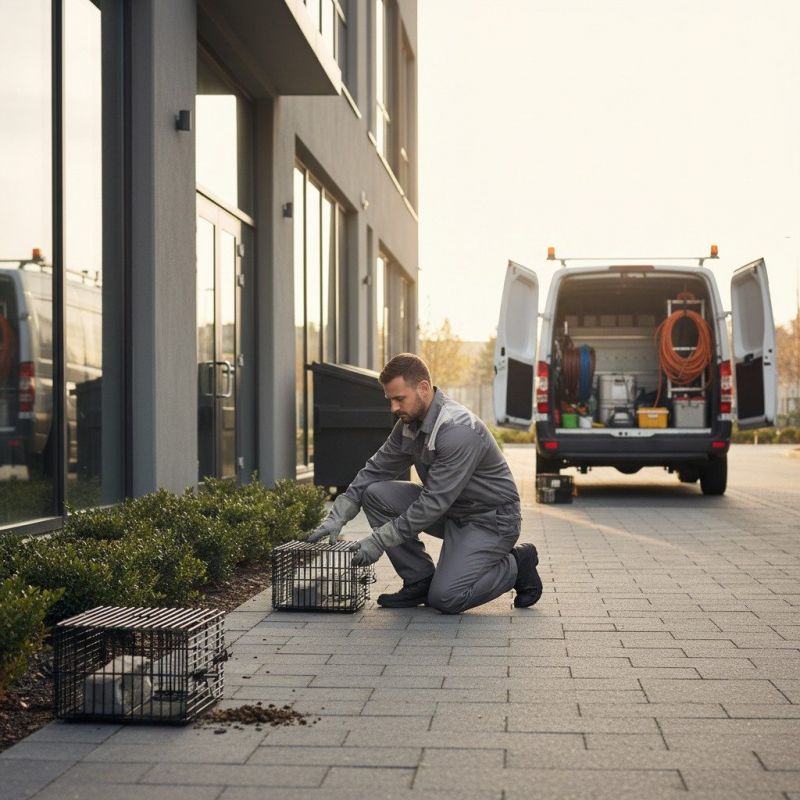
When comparing service providers for seasonal wildlife removal, it is important to consider their experience with similar projects. Homeowners should inquire about how long the local contractors have been handling wildlife issues specific to their region and the types of animals they have successfully managed. A contractor with relevant experience is more likely to understand the unique challenges posed by seasonal wildlife issues and to employ effective strategies tailored to those conditions, helping ensure that the problem is addressed thoroughly and efficiently.
Clear, written expectations are a key factor when evaluating potential service providers. Homeowners should seek detailed descriptions of the scope of work, including what will be done to identify and remove wildlife, as well as any follow-up or preventative measures. Having this information in writing helps prevent misunderstandings and provides a basis for comparing different contractors. It also allows homeowners to ensure that the service provider’s approach aligns with their concerns about seasonal wildlife issues and that all necessary steps are included in the plan.
Reputable references and good communication are essential qualities to look for in local contractors. Homeowners can ask for references from previous clients who experienced similar wildlife issues to gauge the quality of work and reliability of the service provider. Additionally, clear and responsive communication during the initial inquiry process can indicate how well the contractor will coordinate and keep homeowners informed throughout the project. These factors contribute to a smoother experience and increase confidence that the seasonal wildlife removal services will be handled professionally and effectively.
Property owners often search for seasonal wildlife issues homeowners should watch for when they are planning practical projects around their homes and businesses. Local pros provide Seasonal Wildlife Removal services for everyday jobs and straightforward project options.
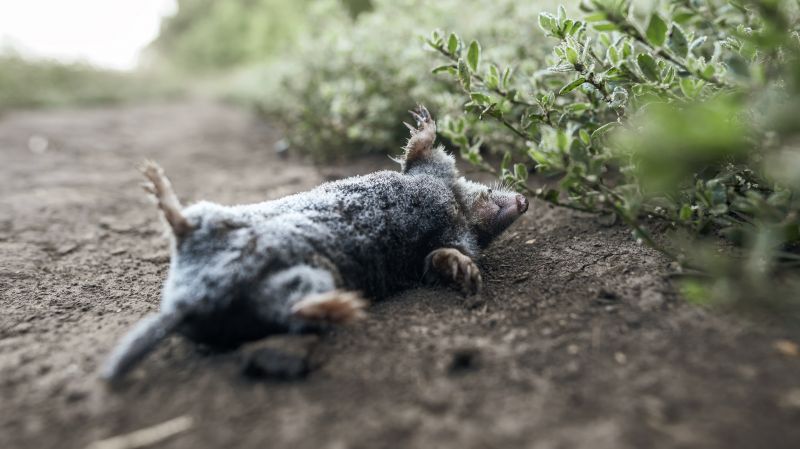
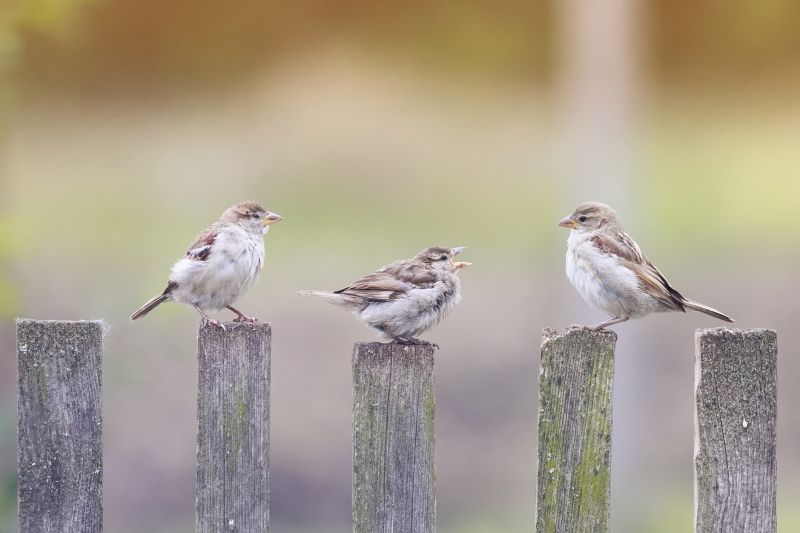
Seasonal wildlife issues homeowners should watch for often become more noticeable as animals become more active during certain times of the year. For example, birds may start nesting in eaves and attics, while raccoons, squirrels, and bats might seek shelter in roof spaces or chimneys. These situations can lead to property damage or potential health concerns if animals are left unchecked. Homeowners noticing unusual sounds, droppings, or signs of animal entry should consider reaching out to local contractors experienced in wildlife removal to address these issues safely and effectively.
During transitional seasons, many animals are searching for new nesting sites or foraging areas, increasing the likelihood of encounters with residential properties. This can include animals attempting to access vents, gaps in siding, or other entry points. Engaging with local service providers who specialize in seasonal wildlife removal can help prevent property damage and reduce the risk of unwanted animal presence. Regular inspections and prompt intervention by experienced professionals can ensure the home remains protected from common seasonal wildlife challenges.
What are common signs of wildlife entering homes during seasonal changes? Homeowners should watch for unusual noises in walls or attics, droppings near entry points, chewed wires or insulation, and sightings of animals around the property. Local contractors can assess and address these issues to prevent further wildlife intrusion.
Why is it important to address wildlife issues promptly in different seasons? Prompt attention helps prevent damage to property, reduces health risks, and avoids the potential for animals to establish nests or colonies inside the home. Seasonal wildlife removal services can effectively handle these problems as they arise.
What types of wildlife are most active during specific seasons? Rodents and squirrels are often active in fall and winter, seeking shelter and food, while birds and raccoons may be more visible during spring and summer. Local service providers can identify and remove these animals based on seasonal patterns.
How can homeowners prevent wildlife issues during seasonal transitions? Sealing entry points, removing food sources, and maintaining the property can reduce attraction for wildlife. Professional wildlife removal services can assist with effective exclusion techniques tailored to seasonal behaviors.
What should homeowners do if they notice wildlife damage or activity during a specific season? They should contact local contractors experienced in seasonal wildlife issues to inspect the property, safely remove animals, and implement exclusion measures to prevent recurrence.
Inspect attic vents - homeowners can schedule regular inspections with local contractors to identify and seal gaps that wildlife may use to enter the home during seasonal wildlife issues.
Secure trash and compost areas - property owners can implement proper storage solutions to prevent attracting animals during peak wildlife activity periods with help from local service providers.
Install deterrents around the property - setting up motion-activated devices or barriers with assistance from local pros can discourage wildlife from approaching the home during vulnerable seasons.
Check for signs of nesting or damage - homeowners can work with local contractors to identify and address nesting sites or structural damage caused by seasonal wildlife issues.
If you are thinking about seasonal wildlife issues homeowners should watch for for a property, this guide is meant to help you understand this topic, the typical project types, and how different options might fit your plans.
When you are ready, you can use the quote form on this page to share a few details about your project. From there, local pros can review the basics and follow up with options that match what you have in mind.