How Squirrels Damage Roofs and Attics and What to Do About It
People searching for squirrel removal are typically looking to prevent damage to their roofs and attics, and local service providers can help remove squirrels and repair the harm they cause.
Many property owners in the area discover that squirrels can cause unexpected damage to their roofs and attics, making it important to understand how these small creatures can impact home integrity. Squirrels often find their way into attics through small openings, where they may chew on wiring, insulation, and wood, leading to costly repairs and potential safety hazards. Recognizing the signs of squirrel activity and understanding the risks involved can help homeowners take proactive steps to protect their property.
For those concerned about squirrel-related damage, connecting with experienced local contractors who specialize in squirrel removal can be a practical solution. These service providers can assess the situation, safely remove the animals, and implement measures to prevent future intrusions. Exploring options for professional assistance ensures that property owners are equipped to handle squirrel damage effectively, safeguarding their homes and peace of mind.
- Squirrel Damage Repairs - homeowners noticing chew marks or nesting in their roofs and attics can rely on local contractors to assess and repair structural damage caused by squirrels.
- Attic Sealing and Insulation - when squirrels create entry points or disturb insulation, local service providers can help seal openings and restore insulation integrity.
- Roof Inspection and Pest Prevention - signs of squirrel activity on roofs prompt local pros to perform thorough inspections and implement measures to prevent future infestations.
- Wildlife Exclusion Services - if squirrels have gained access to attics, local contractors can install exclusion devices to block entry points and protect the property.
- Cleanup and Debris Removal - after squirrel damage, local service providers can safely remove nesting materials, droppings, and other debris to restore attic cleanliness.
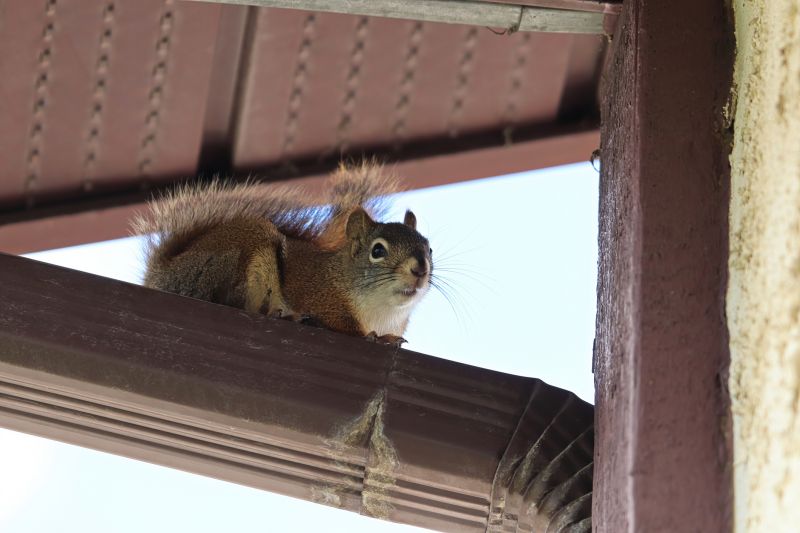
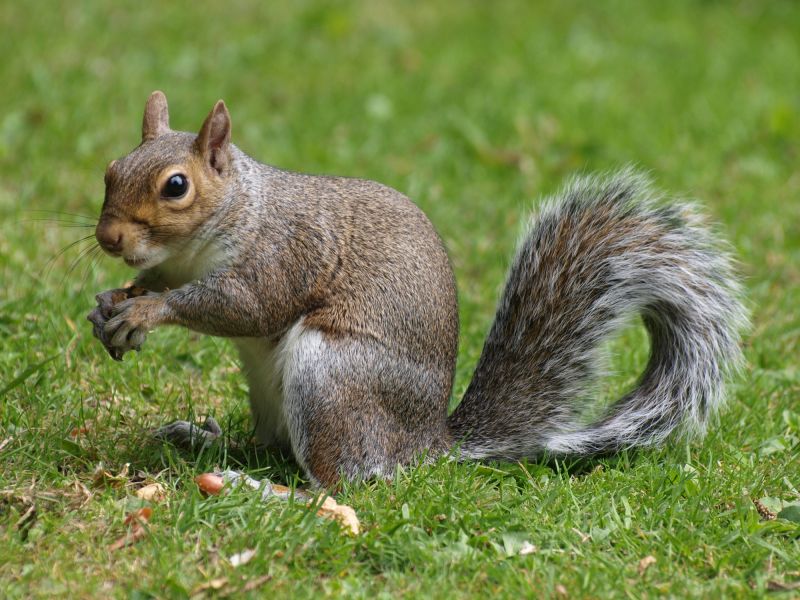
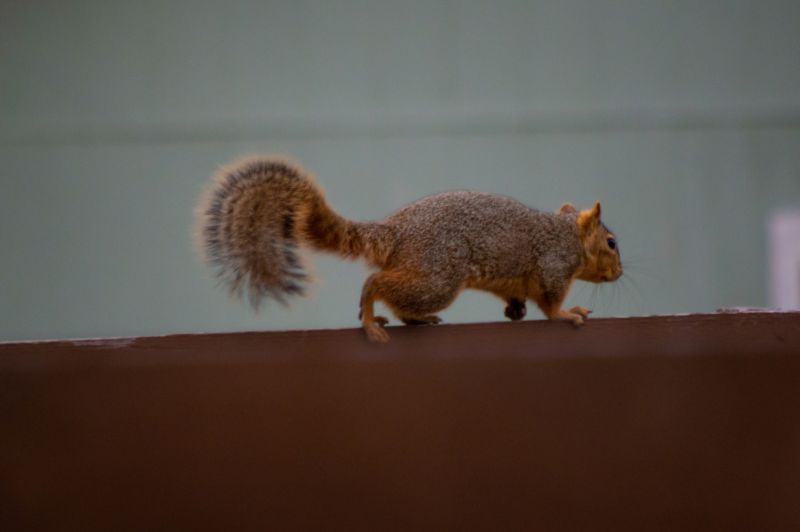
When homeowners search for information about how squirrels damage roofs and attics and what to do about it, they are typically concerned about the potential for these small animals to cause structural problems and create safety hazards. Squirrels are known for their ability to access roofs through trees, vents, and other openings, often leading to damage that can be costly and disruptive. Common issues include chewed shingles, gnawed vents, and holes in the roof or soffits that allow entry into the attic space. People may also be worried about the mess and health risks associated with squirrel droppings and nesting materials, which can attract pests or lead to further deterioration of the property.
This topic is closely related to property protection and pest management plans. Homeowners often seek guidance on how to identify signs of squirrel intrusion, such as scratching sounds, chewed wires, or visible nesting sites. They may also be exploring options for preventing future damage, which involves sealing entry points, trimming back trees, or installing barriers. Additionally, many are interested in understanding the importance of removing squirrels humanely and safely, especially if they have already gained access. Addressing these problems requires a combination of inspection, exclusion, and removal strategies, often carried out by experienced service providers who specialize in squirrel control and property repair.
The types of properties most commonly affected by squirrel damage include single-family homes, especially those with mature trees close to the house, as well as multi-family buildings, barns, and outbuildings. Attics and roof spaces are prime targets because they offer shelter, warmth, and nesting sites. Homes with open soffits, vents, or damaged shingles are particularly vulnerable, as these features can provide easy access points for squirrels. Commercial properties with similar structural features may also experience issues, especially if they are located in wooded or suburban areas where squirrel populations are high. Recognizing the specific vulnerabilities of different property types helps homeowners understand the importance of proactive maintenance and professional intervention.
Connecting with local service providers who specialize in squirrel removal and property repair is an essential step in addressing these issues effectively. These professionals can perform thorough inspections to identify how squirrels are gaining access, assess the extent of damage, and recommend appropriate exclusion methods. Proper sealing of entry points, repair of damaged roofing materials, and installation of deterrents are common solutions that help prevent future problems. Working with experienced local contractors ensures that the damage is addressed comprehensively, reducing the risk of recurring squirrel activity and protecting the integrity of the roof and attic space over time.
Attic Insulation Installation - Proper insulation installation helps prevent squirrels from nesting and causing damage, a task that local contractors experienced in attic work can handle effectively.
Roof Repair and Replacement - Repairing or replacing damaged roof sections addresses vulnerabilities that squirrels exploit, with local service providers ready to restore roof integrity.
Gutter Cleaning and Maintenance - Clearing clogged or damaged gutters reduces squirrel access points and prevents water damage, a service offered by local contractors specializing in gutter systems.
Attic Ventilation Services - Ensuring proper attic ventilation deters squirrels from nesting and reduces attic damage, with local pros equipped to improve ventilation systems.
Bird and Animal Proofing - Installing barriers and deterrents to keep squirrels out of roofs and attics is a common service provided by local pest-proofing specialists.
Roof Vent and Chimney Cap Installation - Securing roof vents and chimneys with caps prevents squirrel entry, a task performed by local contractors experienced in roof safety features.
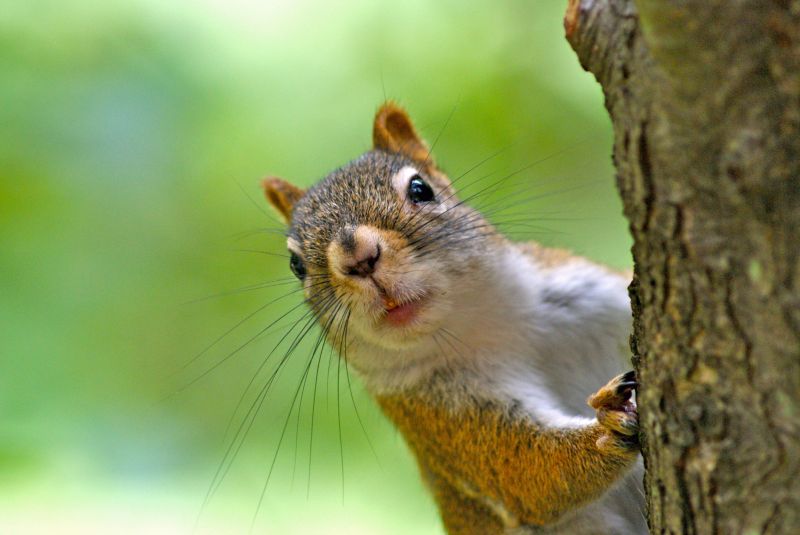
When comparing local contractors for squirrel removal services, it is important to consider their experience with similar projects. Homeowners should look for service providers who have a proven track record of addressing how squirrels damage roofs and attics, as this indicates familiarity with the common signs of infestation and the most effective removal strategies. An experienced contractor is more likely to understand the unique challenges of squirrel-related damage, such as entry points and nesting habits, ensuring that the repair and prevention measures are thorough and appropriate for the situation.
Clear written expectations are essential when evaluating potential service providers. Homeowners should seek contractors who can provide detailed descriptions of the scope of work, including the steps involved in squirrel removal, attic repairs, and prevention methods. Having a comprehensive outline helps ensure that both parties are aligned on what will be done, reducing misunderstandings and providing a basis for evaluating the quality of service. Transparent communication about the process also allows homeowners to make informed decisions and prepare adequately for the work.
Reputable references and good communication are key indicators of a trustworthy contractor. Homeowners are encouraged to ask for references or reviews from previous clients who had similar issues with squirrels damaging roofs and attics. Positive feedback can offer insights into the contractor’s reliability, professionalism, and ability to handle the complexities of squirrel removal. Additionally, service providers who demonstrate clear, prompt, and respectful communication throughout the inquiry process are more likely to deliver a satisfactory experience and ensure that the homeowner’s concerns about squirrel damage are addressed effectively.
Property owners often search for how squirrels damage roofs and attics and what to do about it when they are planning practical projects around their homes and businesses. Local pros provide Squirrel Removal services for everyday jobs and straightforward project options.
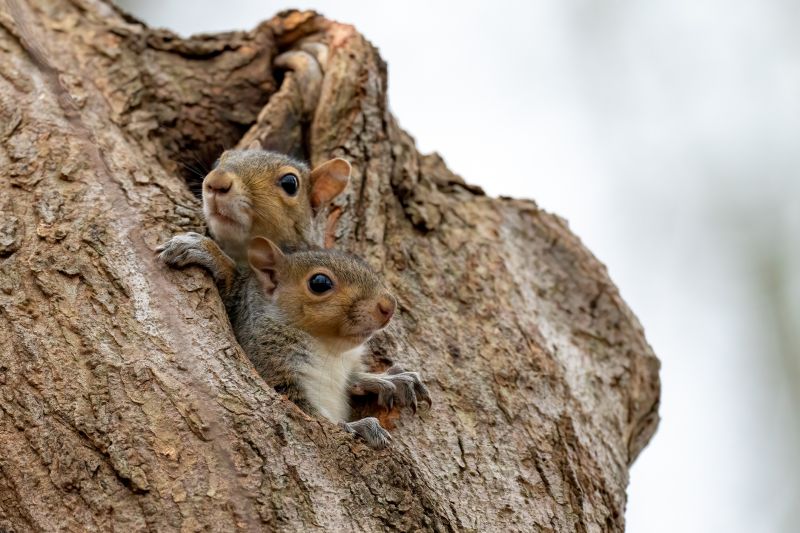
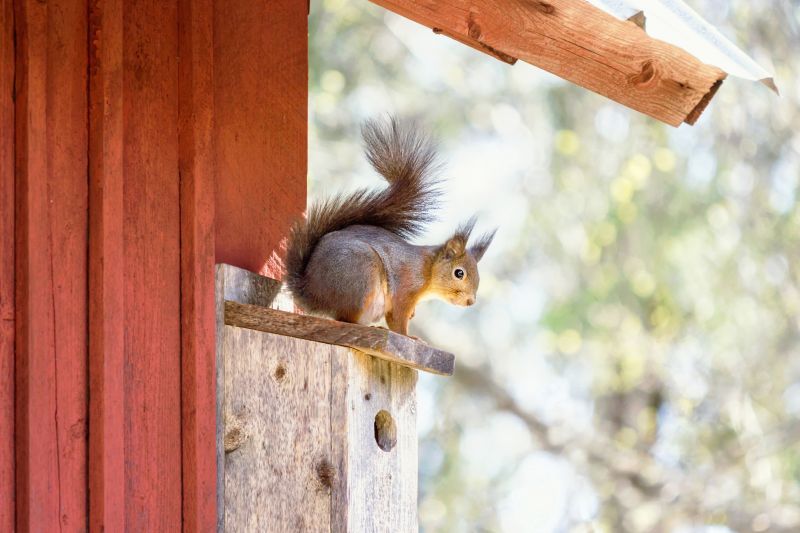
Squirrels can cause unexpected damage to roofs and attics as they seek shelter, food, and nesting sites. Property owners in the area might notice signs like chewed shingles, gnawed wood, or debris around their home, prompting concerns about potential structural issues or pest infestations. These small mammals are known for their ability to squeeze through tiny openings, making it important to understand how they gain access and what damage they can leave behind. Many residents turn to local contractors experienced in squirrel removal services to address these issues effectively, ensuring that their homes are protected from further harm.
When squirrels invade attics, they often create nests using insulation and other materials, which can lead to insulation damage and increased energy costs. Additionally, their chewing can weaken roof structures and create entry points for other pests or water leaks. Property owners searching for solutions might consider contacting local service providers who specialize in squirrel removal and exclusion. These professionals can assess the extent of the damage, remove the critters safely, and help prevent future invasions by sealing entry points, ultimately safeguarding the integrity of the roof and attic space.
How do squirrels damage roofs and attics? Squirrels can cause damage by gnawing on roof shingles, vents, and wood structures, creating entry points that allow them to access attics. Once inside, they may nest, chew on insulation, and create holes that lead to further structural issues.
What signs indicate squirrel damage in a roof or attic? Signs include scratching noises, chewed wiring or insulation, droppings, nesting materials, and visible holes or entry points on the roof or eaves.
How can local contractors help with squirrel-related roof and attic damage? They can inspect the property for entry points, remove squirrels safely, repair damaged areas, and implement exclusion methods to prevent future infestations.
What steps are involved in removing squirrels from a roof or attic? The process typically involves trapping or humane removal, sealing entry points, and repairing damage to ensure squirrels cannot re-enter.
Why is it important to address squirrel damage promptly? Early intervention can prevent further structural damage, protect insulation and wiring, and reduce the risk of health issues caused by rodent droppings and nesting materials.
Inspect roof and attic for damage - property owners can identify signs of squirrel activity and prioritize repairs with help from local contractors.
Seal entry points and gaps - blocking access points can prevent squirrels from re-entering attics, with local pros providing effective sealing solutions.
Remove nesting materials and debris - clearing out squirrel nests helps reduce ongoing damage and encourages professional removal of pests.
Schedule regular inspections - ongoing assessments by local service providers can catch early signs of squirrel damage before it worsens.
If you are thinking about how squirrels damage roofs and attics and what to do about it for a property, this guide is meant to help you understand this topic, the typical project types, and how different options might fit your plans.
When you are ready, you can use the quote form on this page to share a few details about your project. From there, local pros can review the basics and follow up with options that match what you have in mind.