Prevent Lizards Getting Inside Your Home
To prevent lizards getting inside your home, local contractors can assess and seal entry points, helping keep your space lizard-free effectively.
Homeowners in the area who want to keep their living spaces free of unwanted lizards often explore practical prevention methods. Lizards may enter through small gaps around doors, windows, or foundation cracks, especially in warmer months when they seek shelter indoors. Addressing these entry points early can help maintain a comfortable and pest-free environment. For those unsure where to start, local contractors specializing in lizard control can offer tailored solutions to effectively block access and reduce the likelihood of future intrusions.
Understanding how to prevent lizards from getting inside your home is a common concern for property owners looking to safeguard their spaces. Local service providers can assess the property and recommend targeted measures, such as sealing potential entry points or installing barriers, to keep lizards outside where they belong. Keep reading to discover practical tips and learn how connecting with experienced professionals can make a noticeable difference in maintaining a lizard-free home.
- Lizard exclusion services - when homeowners notice lizards entering through small gaps and want to block entry points, local contractors can seal cracks and install barriers to prevent lizards getting inside your home.
- Entry point sealing - if lizards are found around door frames or window sills, service providers can identify and secure these access points to reduce the risk of intrusion.
- Perimeter barrier installation - for properties experiencing frequent lizard visits, local pros can set up physical barriers around the home to deter lizards from approaching close to entryways.
- Venting and chimney screening - when lizards are entering through vents or chimneys, local contractors can install screens or covers to block these common entry routes.
- Habitat modification services - if lizards are attracted to yard debris or clutter, service providers can advise on and implement landscape adjustments to make the area less appealing and reduce the likelihood of lizard entry.
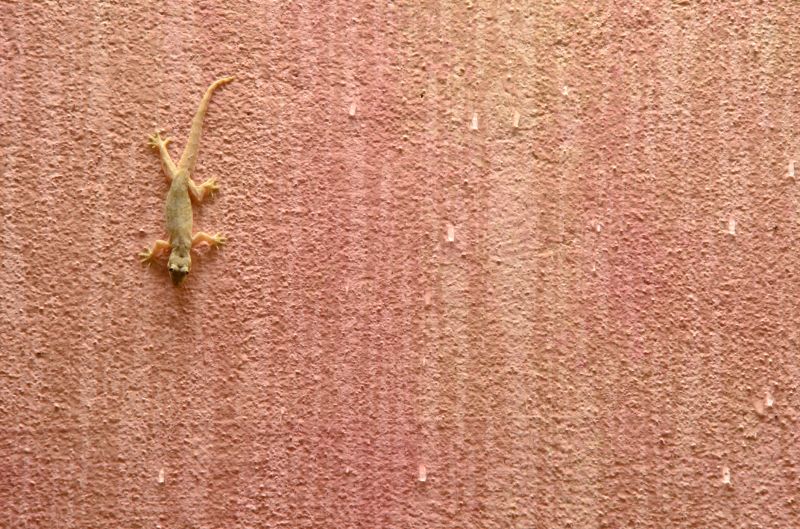
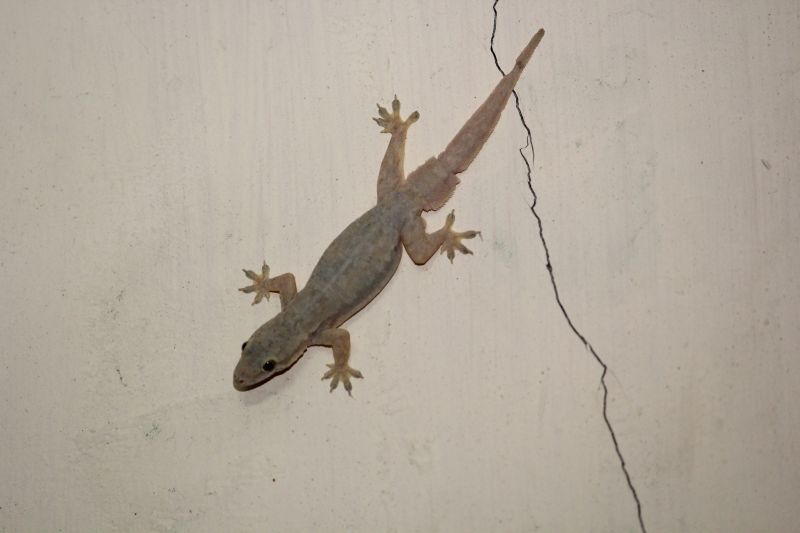
When people search for ways to prevent lizards getting inside their homes, they are often looking for practical solutions to keep these creatures out of their living spaces. Lizards tend to enter homes seeking warmth, food, or shelter, especially in warmer climates or during certain seasons. Homeowners may notice lizards in kitchens, bathrooms, or near entry points, prompting concerns about hygiene, property damage, or simply the discomfort of sharing their space with these reptiles. The search often indicates a desire for effective, long-lasting methods to block lizard entry and reduce their presence indoors.
Preventing lizards getting inside your home typically relates to identifying and sealing entry points, such as gaps around doors, windows, vents, and utility lines. Many property owners plan to undertake repairs or modifications to their homes to create a barrier against these animals. This can include installing screens, sealing cracks, or adding weatherstripping. Local contractors who specialize in pest prevention or home maintenance can assess a property’s specific vulnerabilities and recommend targeted measures. These efforts are part of broader pest control strategies aimed at reducing the likelihood of lizards making their way inside.
The types of properties that frequently encounter issues with lizards include both residential and commercial buildings. Single-family homes, especially those with gardens or outdoor structures, are common sites where lizards may slip inside. Multi-unit residences, such as apartments or condos, can also experience this problem, particularly if shared entry points or ventilation systems are not properly sealed. Commercial properties like restaurants, warehouses, or retail stores may seek to prevent lizards from contaminating food or product areas. In all cases, the goal is to create a physical barrier that discourages lizards from entering and establishes a clean, pest-free environment.
Local service providers who focus on lizard control and prevention play an important role in addressing these issues. They can evaluate properties to identify potential entry points and recommend suitable modifications or repairs. These professionals often have experience working with different types of properties and understand the common vulnerabilities that lizards exploit. By working with local contractors, homeowners and property managers can implement effective strategies to prevent lizards from getting inside, ensuring the space remains comfortable and hygienic. Connecting with these specialists can help address current problems and establish ongoing prevention measures tailored to each property’s needs.
Home sealing projects - these involve identifying and sealing gaps or cracks around windows, doors, and foundations to prevent lizards from entering the home, utilizing similar planning and repair skills as lizard control.
Insect screen installation - installing screens on vents, windows, and doors helps block lizard entry points and requires comparable tools and attention to detail as lizard exclusion efforts.
Exterior repair and maintenance - fixing damaged siding, gaps, or holes in walls reduces potential lizard entry points, aligning with the skills used in lizard prevention strategies.
Drainage and gutter cleaning - maintaining proper drainage and clearing debris prevents lizard habitats around the home perimeter, involving similar planning and tool use as pest-proofing projects.
Yard cleanup and landscaping - removing debris, dense shrubbery, and hiding spots minimizes lizard habitats near the home, requiring similar planning and execution skills.
Vermin-proofing services - these projects focus on sealing and blocking access points for various pests, including lizards, utilizing comparable techniques and planning as lizard entry prevention.
When evaluating service providers for lizard control and preventing lizards from getting inside the home, it is important to consider their experience with similar projects. Homeowners should seek out local contractors who have a proven track record of addressing lizard intrusion issues effectively. Asking about past work can provide insight into their familiarity with common entry points and effective exclusion methods, helping to ensure the chosen professional understands the nuances of lizard prevention specific to the area.
Clear and detailed written expectations are essential for a successful lizard control project. Homeowners should look for service providers who can articulate what the job entails, including the scope of work, recommended methods, and any follow-up procedures. Having this information in writing helps prevent misunderstandings and ensures everyone is aligned on the goals of preventing lizards from entering the home. It also provides a reference point should questions or concerns arise during or after the project.
Reputable references and good communication are key factors when comparing local contractors for lizard prevention services. Homeowners are encouraged to ask for references or reviews from previous clients to gauge the quality of work and reliability. Additionally, choosing a service provider who communicates clearly and promptly can make the process smoother and more transparent. This ensures that homeowners feel confident in the contractor’s professionalism and ability to address their specific needs for preventing lizards from getting inside the home.
Property owners often search for prevent lizards getting inside your home when they are planning practical projects around their homes and businesses. Local pros provide Lizard Control services for everyday jobs and straightforward project options.
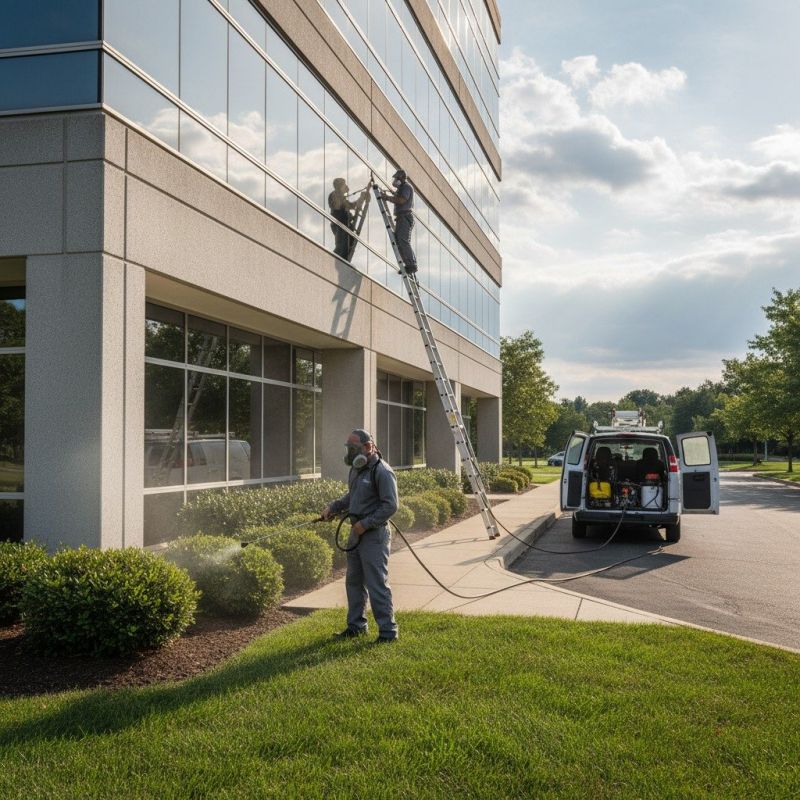
Property owners in the area often look into preventing lizards getting inside their homes to avoid unwanted visitors and potential damage. Simple measures such as sealing gaps around doors, windows, and vents can make a significant difference, but sometimes these tasks require professional expertise. Local contractors specializing in pest or lizard control can assess the property, identify entry points, and implement effective solutions to keep these reptiles out. This proactive approach helps maintain a comfortable living environment and reduces the likelihood of lizards wandering indoors unexpectedly.
Many property owners also consider consulting with local service providers when their efforts to prevent lizards inside the home aren’t enough. These professionals can offer tailored advice on maintaining the exterior and interior of the property to discourage lizard entry. From installing mesh screens to applying barriers or repellents, local experts have the experience to handle various situations. Connecting with these service providers provides homeowners with practical, efficient options to address concerns about lizard intrusion and protect their homes effectively.
How can I prevent lizards from entering my home? Local contractors recommend sealing gaps, cracks, and openings around windows, doors, and foundations to block lizard entry points. They can also advise on installing barriers or screens in vulnerable areas.
What are effective ways to keep lizards out of my house? Professionals often suggest removing clutter and hiding spots near entry points, and maintaining exterior landscaping to reduce lizard habitats. They can implement physical barriers for added protection.
Are there specific areas I should focus on to stop lizards from getting inside? Common entry points include vents, gaps around utility lines, and damaged window screens. Local service providers can identify and seal these areas effectively.
Can I prevent lizards without using chemicals? Yes, many local contractors recommend physical exclusion methods like sealing cracks and installing mesh screens, which do not involve chemicals and are effective for preventing lizard entry.
How do professionals help in preventing lizards from getting inside? Service providers assess your home for potential entry points and implement sealing, screening, and barrier solutions to help keep lizards outside.
Seal entry points - identifying and sealing gaps around doors, windows, and vents can help prevent lizards getting inside your home with assistance from local contractors.
Install mesh screens - adding fine mesh screens over vents and drains creates a physical barrier against lizards entering through openings.
Maintain yard and garden - keeping the outdoor area tidy and removing debris reduces hiding spots and discourages lizards from approaching the home.
Apply exclusion barriers - installing barriers like door sweeps and weather stripping with help from local pros can block common entry routes for lizards.
If you are thinking about prevent lizards getting inside your home for a property, this guide is meant to help you understand this topic, the typical project types, and how different options might fit your plans.
When you are ready, you can use the quote form on this page to share a few details about your project. From there, local pros can review the basics and follow up with options that match what you have in mind.